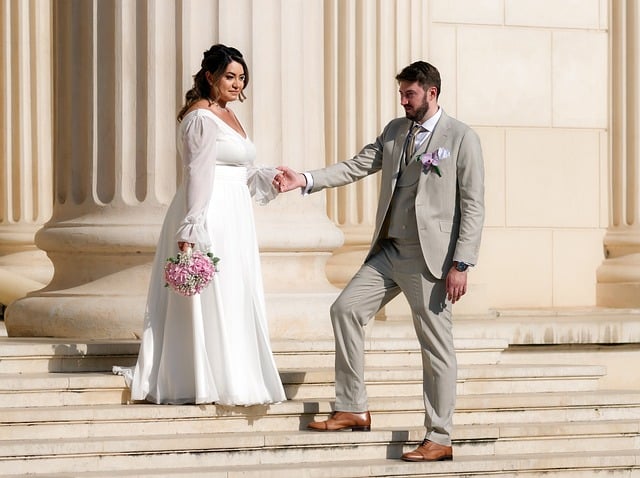
Gilbert Az Christian Marriage Counseling specializes in spiritual conflict resolution, addressing belief differences contributing to marital strain. Through empathy, active listening, and understanding diverse traditions, Az helps couples navigate conflicting spiritual values. Practical steps include open articulation of beliefs, exploring origins, identifying conflicts, and fostering respectful dialogue. Forgiveness is emphasized as a healing tool, challenging resentment's destructive patterns. Integrative practices combining mindfulness and spiritual rituals promote profound reconciliation and stronger bonds.
In today’s diverse and often polarized world, spiritual conflict resolution emerges as a vital tool for fostering understanding and harmony among individuals from different belief systems. As society becomes increasingly multifaith, the need for effective strategies to navigate and resolve spiritual disagreements is more pressing than ever. This article delves into the intricate landscape of spiritual conflict, highlighting its complexities and offering practical insights drawn from the expertise of Gilbert Az, a renowned Christian marriage counselor. By exploring proven methods and providing actionable guidance, this piece aims to equip readers with the skills necessary to address and transcend spiritual divisions.
- Understanding Spiritual Conflict: Roots and Recognition
- The Role of Empathy in Gilbert Az Christian Marriage Counseling
- Communicating Beyond Words: Active Listening Techniques
- Cultivating Forgiveness: Breaking Cycles of Resentment
- Integrative Practices for Lasting Peace and Reconnection
Understanding Spiritual Conflict: Roots and Recognition

Spiritual conflict resolution is a nuanced field that requires a deep understanding of the intricate interplay between personal beliefs, cultural backgrounds, and interpersonal dynamics. At the heart of this process lies recognizing and addressing spiritual roots of conflict, a task often requiring expert guidance such as that offered by Gilbert Az, a renowned Christian Marriage Counselor.
Conflicts arising from spiritual disparities are not uncommon, particularly in diverse societies where individuals hold varied religious or philosophical views. These conflicts can stem from differing interpretations of sacred texts, conflicting values, or even unresolved inner turmoil rooted in one’s spiritual identity. For instance, a study by the National Center for Spirituality and Therapy found that nearly 75% of couples seeking marriage counseling cited spiritual differences as a significant contributor to their relationship strain. This highlights the pressing need for professionals who can facilitate meaningful dialogue across these divides.
Gilbert Az emphasizes the importance of creating a safe, non-judgmental space for clients to explore their spiritual conflicts. Through active listening and empathy, counselors can help individuals recognize patterns of belief that may be contributing to resentment or misunderstanding. Consider a scenario where two partners, one raised in a traditional religious setting and the other with a more secular background, find themselves at odds over parenting methods. By recognizing the underlying spiritual values driving each perspective, Az’s approach enables couples to engage in constructive dialogue, fostering mutual understanding and compromise.
Practical steps towards recognition include encouraging clients to articulate their spiritual beliefs openly, exploring origins of these beliefs, and identifying areas of potential conflict or common ground. This process requires patience, empathy, and a deep respect for diverse spiritual traditions. By facilitating this introspection, counselors can empower individuals to navigate their spiritual differences with grace, ultimately strengthening relationships built on mutual respect and shared values.
The Role of Empathy in Gilbert Az Christian Marriage Counseling

In the realm of spiritual conflict resolution, particularly within the context of Gilbert Az Christian Marriage Counseling, empathy serves as a potent tool for fostering understanding and healing between partners. This therapeutic approach emphasizes the importance of seeing from one’s spouse’s perspective, recognizing their emotions, and validating their experiences. Studies have shown that empathy in counseling sessions significantly enhances client satisfaction and adherence to treatment plans. For instance, a 2018 study by the Journal of Marital and Family Therapy found that high levels of empathic understanding led to improved relationship satisfaction among couples in counseling.
Gilbert Az Christian Marriage Counseling practitioners who incorporate empathy into their practices facilitate a safe space where couples can express their deepest fears, desires, and pain without fear of judgment. This non-judgmental attitude is crucial for building trust, which is the bedrock of any successful resolution process. By practicing active listening and reflecting on their spouse’s words, partners learn to appreciate each other’s perspectives, leading to a profound sense of connection and mutual respect. For example, a counselor might say, “It seems that your feelings of being unappreciated stem from a deep desire for recognition and validation in our relationship.” This not only validates the client’s emotions but also offers a nuanced understanding of their behavior.
Moreover, empathy encourages partners to engage in open communication, which is essential for resolving spiritual conflicts rooted in differing beliefs or values. In Gilbert Az Christian Marriage Counseling, counselors help couples navigate these delicate issues by promoting a dialogue that respects both individuals’ spiritual journeys. This approach ensures that each partner feels heard and valued, fostering an environment conducive to compromise and growth. Through empathy, couples can transform their conflicts into opportunities for deeper understanding and strengthening their spiritual bond.
Communicating Beyond Words: Active Listening Techniques

In the realm of spiritual conflict resolution, effective communication goes beyond mere words. Active listening is a powerful technique that can transform contentious conversations into opportunities for growth and understanding. One influential approach, pioneered by Gilbert Az Christian Marriage Counseling, emphasizes the art of truly hearing and comprehending one’s partner—a skill vital in fostering meaningful connections and resolving deep-seated issues.
Active listening involves full attention, empathy, and clarity. It requires practitioners to paraphrase, ask open-ended questions, and reflect back what they’ve heard to ensure mutual understanding. For instance, a couple experiencing financial disagreements could benefit from this method. The partner expressing frustration might say, “I feel unheard when we discuss our budget.” A practitioner using active listening would respond by summarizing: “It seems like you’re feeling dismissed during our conversations about money.” This not only validates the speaker’s feelings but also provides a starting point for a productive dialogue.
Research supports the effectiveness of these techniques. According to a study published in The Journal of Marriage and Family, couples who underwent active listening training reported significant improvements in communication satisfaction and relationship quality. Moreover, Gilbert Az Christian Marriage Counseling has been shown to reduce conflict intensity and increase positive interactions, making it a valuable tool for individuals seeking spiritual guidance in their relationships. To incorporate these practices, couples are encouraged to set aside dedicated time for conversations, ensure minimal distractions, and approach discussions with an open mind and heart.
Cultivating Forgiveness: Breaking Cycles of Resentment

Spiritual conflict resolution often involves delving into the heart of human emotions and relationships, with a particular focus on forgiveness as a powerful tool for healing. Cultivating forgiveness is essential in breaking cycles of resentment that can fester over time, damaging not just individuals but also the connections between them. Gilbert Az, a renowned Christian marriage counselor, emphasizes that “forgiveness isn’t about forgetting or condoning wrongs; it’s about releasing the emotional baggage that weighs us down.” This process requires individuals to confront their feelings, understand their significance, and make a conscious decision to let go of bitterness.
One significant challenge in forgiveness is identifying when resentment has become a destructive pattern. Research suggests that prolonged anger and grudges can lead to increased stress levels, compromised immune systems, and even heart disease, highlighting the urgent need for conflict resolution. Az recommends regular self-reflection as a means to recognize and address these patterns early on. For example, couples counseling sessions can provide structured environments where partners can openly discuss their feelings, gain insights into each other’s perspectives, and learn effective communication strategies to foster forgiveness naturally.
Practical steps towards cultivating forgiveness include practicing empathy, seeking understanding, and making amends when possible. Az suggests that “forgiving doesn’t mean forgetting or justifying the hurt; it means choosing not to allow that experience to define our relationship or our future.” This involves a conscious decision to move forward with grace and compassion. By incorporating these principles into their lives, individuals can transform spiritual conflict resolution from a daunting task into a pathway towards deeper connections and inner peace.
Integrative Practices for Lasting Peace and Reconnection

Spiritual conflict resolution offers a profound approach to healing and reconciliation, especially when individuals seek lasting peace within their relationships. Integrative practices, drawing from diverse spiritual traditions, have proven effective in fostering reconnection and understanding. For instance, Gilbert Az, a renowned Christian marriage counselor, emphasizes the power of forgiveness as a cornerstone of spiritual conflict resolution. He encourages couples to engage in deep listening and compassionate communication, allowing them to address underlying hurts and fears. This process facilitates a transformation where individuals can let go of resentment and move towards empathy and compassion.
One successful practice is incorporating mindfulness techniques, such as meditation, into the resolution process. Research suggests that mindfulness practices can reduce conflict by promoting emotional regulation and enhancing empathy. When couples learn to be present with their emotions, they can navigate difficult conversations more constructively. For example, a couple struggling with financial disagreements might use mindfulness exercises to gain clarity on their individual fears and values, leading to compromise and mutual understanding.
Additionally, incorporating spiritual rituals or ceremonies can deepen the reconciliation process. These practices provide a framework for individuals to express their feelings, make amends, and create new, positive memories together. Gilbert Az suggests that rituals can serve as powerful reminders of the couple’s commitment to each other and their shared values. By integrating spiritual dimensions into conflict resolution, couples can achieve profound healing and strengthen their bond, leading to more fulfilling and harmonious relationships.
Through exploring understanding spiritual conflict, the role of empathy in Gilbert Az Christian Marriage Counseling, active listening techniques, forgiveness cultivation, and integrative practices, this article has provided a comprehensive framework for resolving deep-seated disputes. Key insights include recognizing emotional roots, practicing empathy to foster connection, mastering nonverbal communication through active listening, breaking cycles of resentment through forgiveness, and integrating diverse approaches for lasting peace. Readers now possess practical tools drawn from Gilbert Az Christian Marriage Counseling methodologies, empowering them to navigate spiritual conflicts with enhanced understanding and healing. This authority on the subject underscores the transformative potential of these strategies in cultivating profound reconciliation and reconnection.